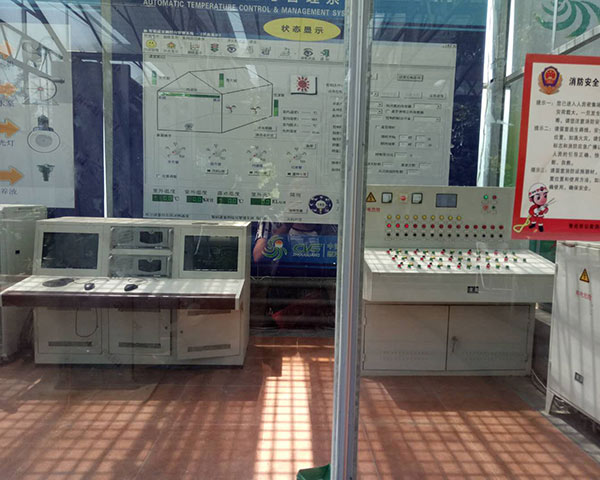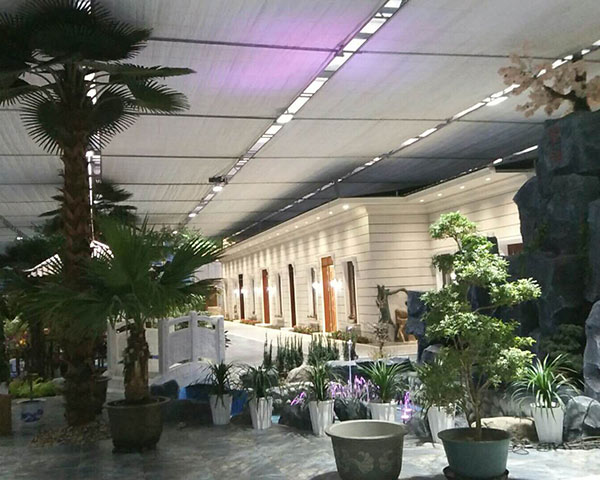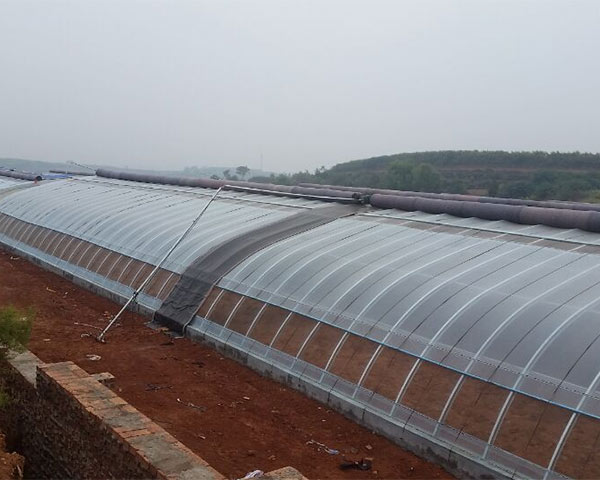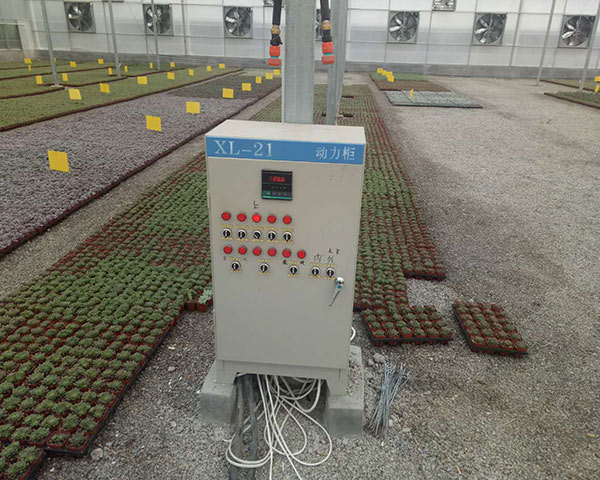
As a B2B purchaser seeking reliable solutions, I find the options from industrial greenhouse suppliers for sale truly impressive. When researching suppliers, especially in China, I often prioritize manufacturers who understand the specific needs of today's agricultural industry. The selection of materials and technology is crucial; I appreciate those who focus on sustainability which ultimately supports eco-friendly growing practices. Moreover, what stands out most is the range of customization available. Each project has unique requirements, and having a manufacturer that listens and adapts is invaluable. With a direct line to reputable suppliers, I can ensure that my investment leads to higher yields and operational efficiency. The commitment from these suppliers to quality and innovation gives me confidence, knowing I'm partnering with a leader in the field. Overall, finding the right industrial greenhouse partner is essential for success in our agricultural ventures.
As the global demand for sustainable agricultural solutions continues to rise, industrial greenhouse suppliers are positioned at the forefront of this transformative sector. In 2025, the market is expected to see significant developments, with leading suppliers adopting innovative technologies and eco-friendly practices to enhance efficiency and productivity. The focus will shift towards optimizing resource usage, reducing carbon footprints, and providing bespoke greenhouse solutions that cater to various agricultural needs. These advancements in greenhouse technology, such as automated climate control systems and advanced irrigation techniques, will not only support the growth of a diverse range of crops but also ensure that producers maintain high standards of quality and yield. Notably, this evolution presents a unique opportunity for global buyers seeking to invest in reliable and efficient greenhouse infrastructure. With a variety of customizable options available, suppliers are well-equipped to address the varying demands of different markets, enhancing food security and boosting the local economy. As we look towards 2025, it is clear that collaboration between suppliers and buyers is vital. By working together, stakeholders can implement sustainable practices that not only meet today’s agricultural challenges but also pave the way for responsible farming in the future. Embracing these innovations will be key to making significant strides towards a greener and more fruitful agricultural landscape worldwide.
| Supplier Type | Market Share (%) | Growth Rate (%) | Sustainability Rating | Region |
|---|---|---|---|---|
| Hydroponics | 25 | 15 | A | North America |
| Aquaponics | 20 | 12 | B | Europe |
| Vertical Farms | 30 | 20 | A+ | Asia |
| Traditional Greenhouses | 15 | 5 | C | South America |
| Smart Greenhouses | 10 | 25 | B+ | Oceania |