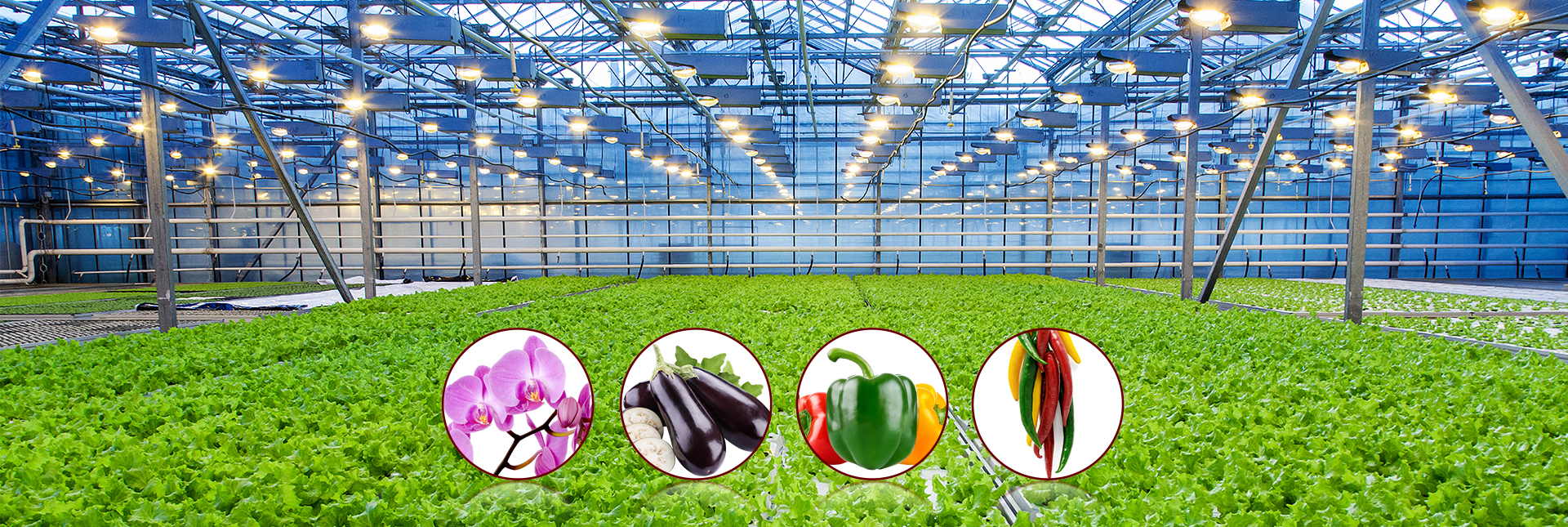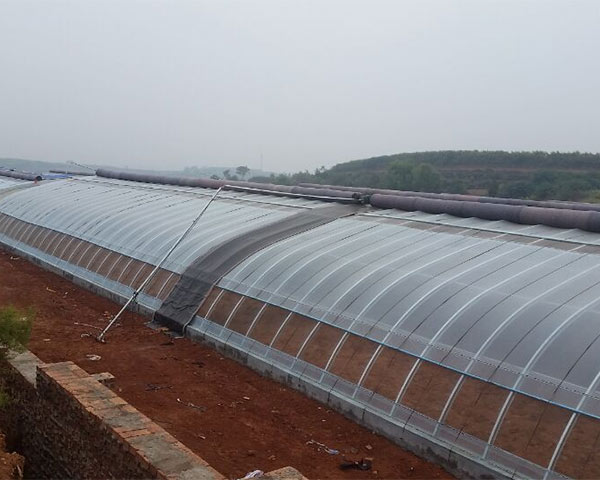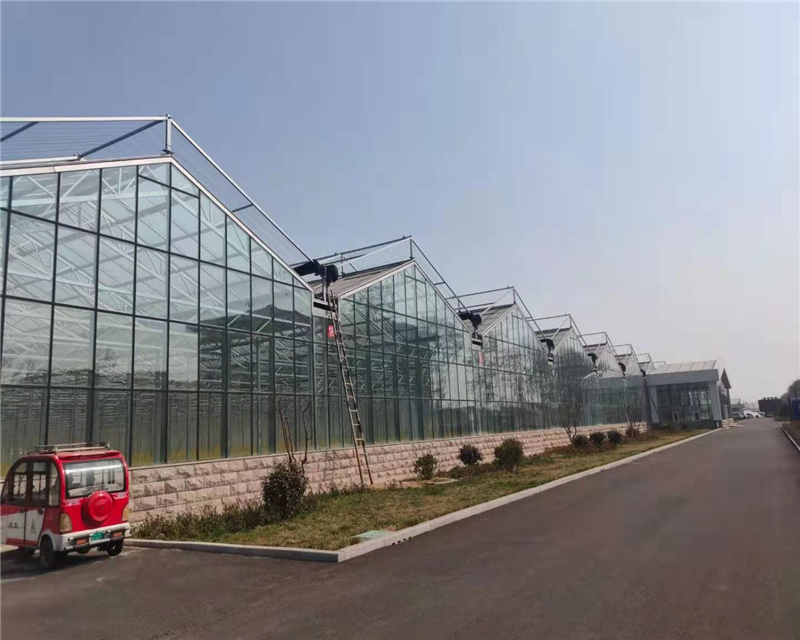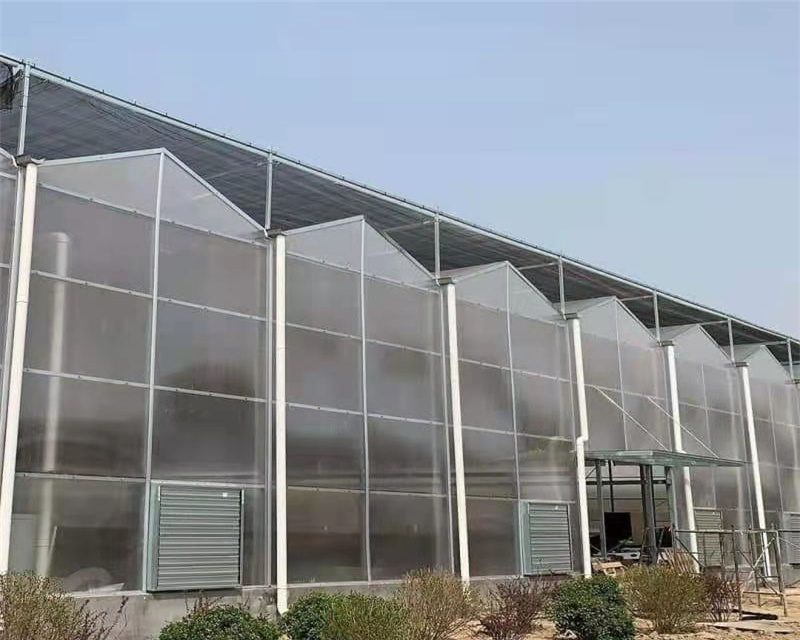
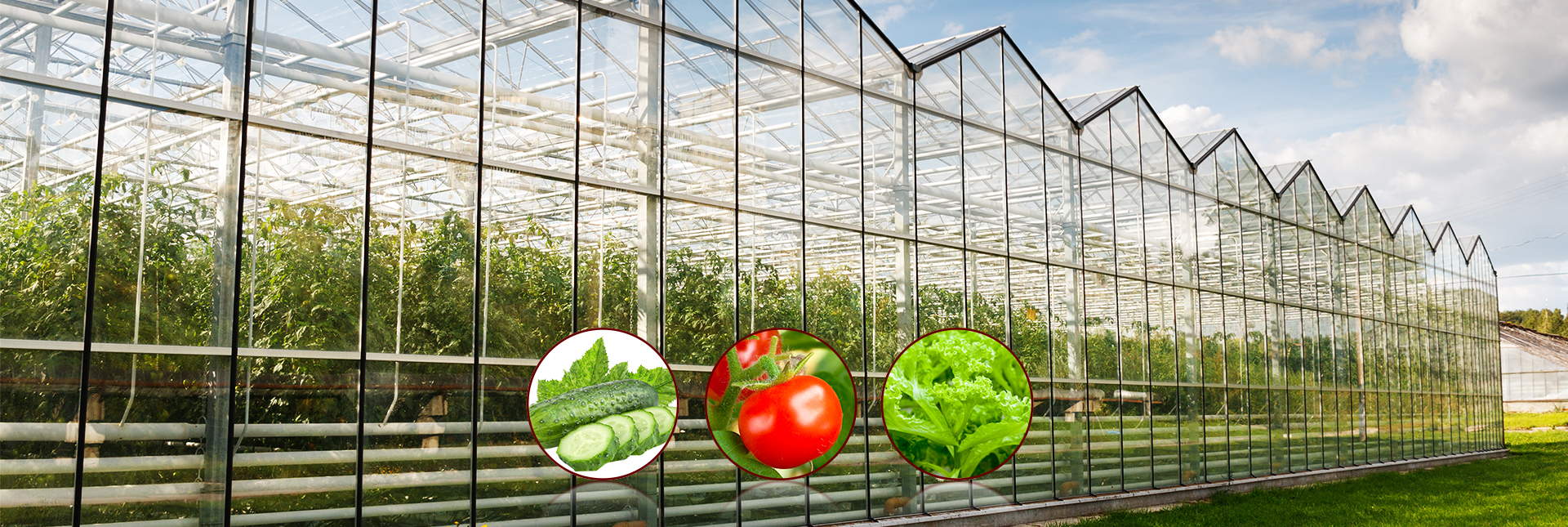
As a passionate advocate for sustainable agriculture, I believe that our aquaponics greenhouse solutions can revolutionize your farming operations. With the perfect blend of fish and plant cultivation, you’ll not only maximize your yield but also minimize water usage—an essential consideration, especially in today’s eco-conscious market. When sourcing from reliable manufacturers in China, you’ll find our greenhouses come equipped with state-of-the-art technology that ensures optimal growth conditions. We focus on durability and efficiency, enabling you to grow fresh, organic produce year-round. Whether you’re new to aquaponics or looking to expand, our greenhouses cater to a variety of scales and needs. Investing in our products means you're choosing innovation and sustainability for your business. Let’s collaborate to make your agricultural dreams a reality and drive your success in the green market. Reach out today for tailored solutions that fit your unique requirements!
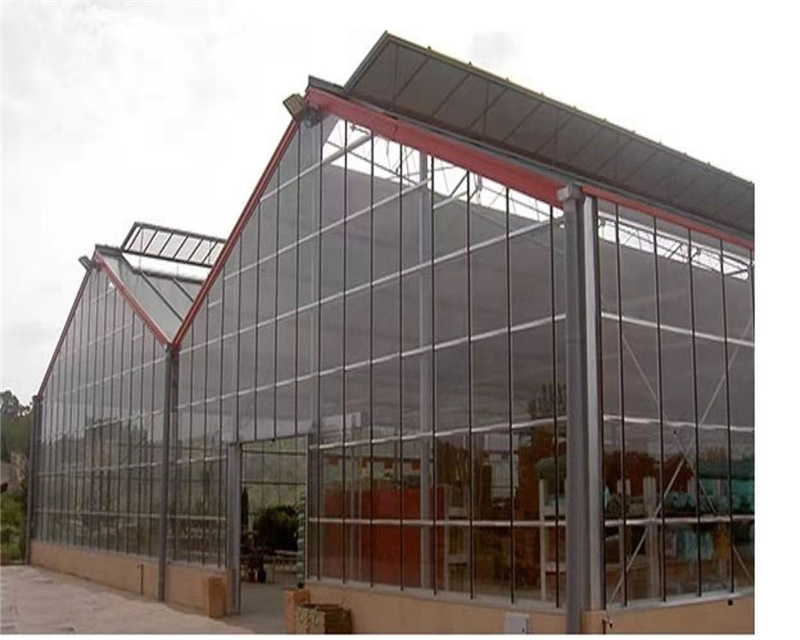
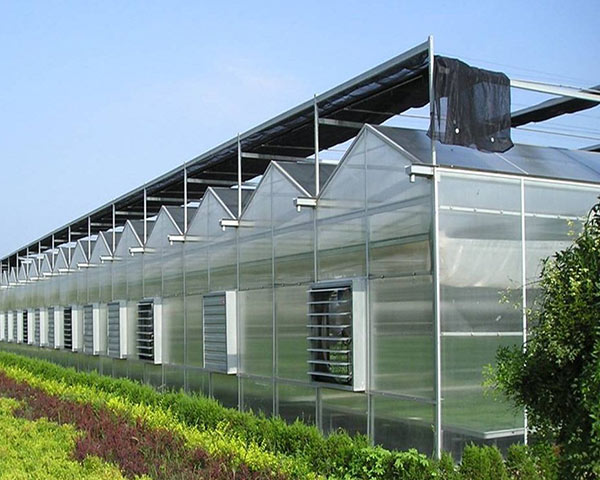
The growing global interest in sustainable agricultural practices has led to the rise of aquaponics systems, particularly in greenhouse applications. Aquaponics, which combines aquaculture (fish farming) with hydroponics (soil-less plant cultivation), creates a symbiotic environment where fish waste serves as an organic nutrient source for plants, while plants help purify the water for the fish. This efficient circular system not only minimizes water usage but also maximizes crop yield, making it an ideal solution for meeting the increasing demand for fresh produce worldwide. Greenhouses equipped with aquaponics systems have become a preferred choice for investors and farmers alike. They offer year-round cultivation possibilities, enabling growers to produce high-quality vegetables and fish regardless of external climatic conditions. Moreover, the innovation in greenhouse technology allows for precise control over environmental factors such as temperature, humidity, and light, further enhancing productivity. As sustainability continues to gain prominence, aquaponics greenhouses stand out as a forward-thinking agricultural solution that could revolutionize food production, reduce carbon footprints, and contribute to food security in various regions. For global buyers, investing in aquaponics greenhouse systems not only supports sustainable practices but also opens up new business opportunities in the growing market of organic and locally-sourced food. By adopting this innovative approach, stakeholders can position themselves at the forefront of the agricultural industry, ensuring profitability while making a positive impact on the environment and communities. As the world shifts towards more sustainable food production methods, aquaponics is not just an emerging trend; it is becoming the dominant solution for future farming needs.
| Application Area | Crop Type | Fish Type | System Size (m²) | Yield (kg/year) | Nutrient Recycling (%) |
|---|---|---|---|---|---|
| Urban Gardens | Lettuce | Tilapia | 30 | 1200 | 85 |
| Rural Farms | Basil | Rainbow Trout | 50 | 2500 | 90 |
| Commercial Operations | Tomatoes | Catfish | 100 | 6000 | 92 |
| Educational Institutions | Cucumbers | Koi | 20 | 800 | 80 |
| Research Facilities | Peppers | Goldfish | 15 | 600 | 78 |