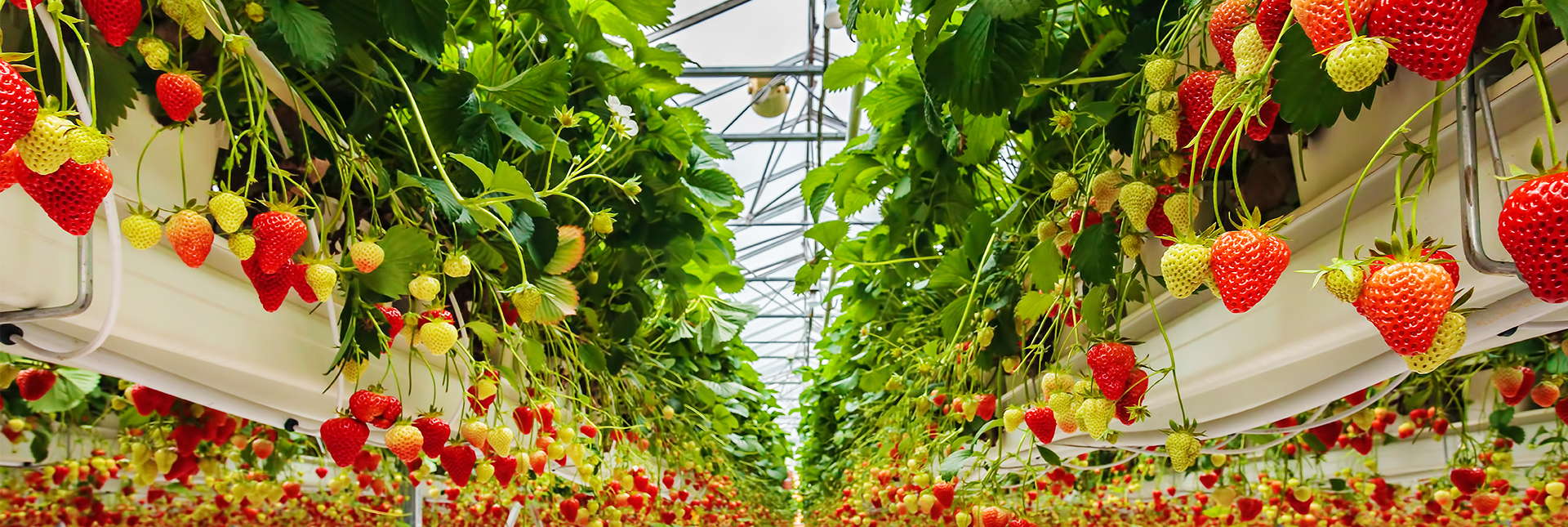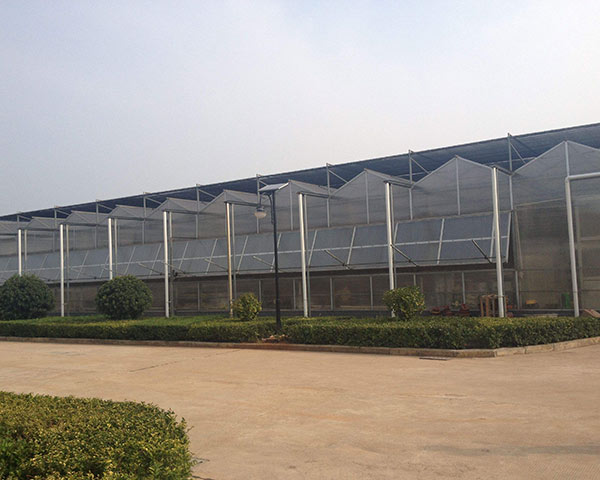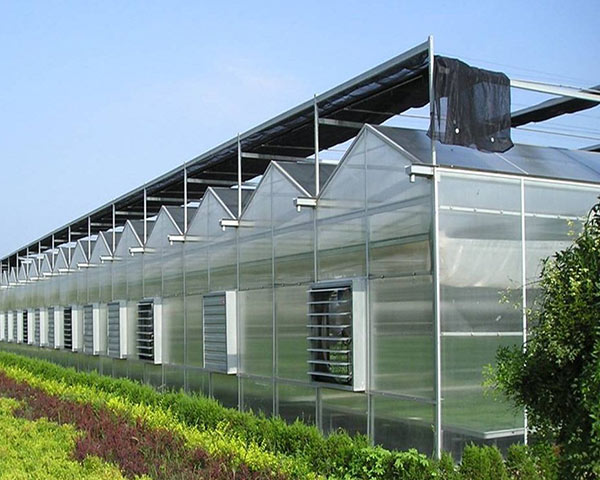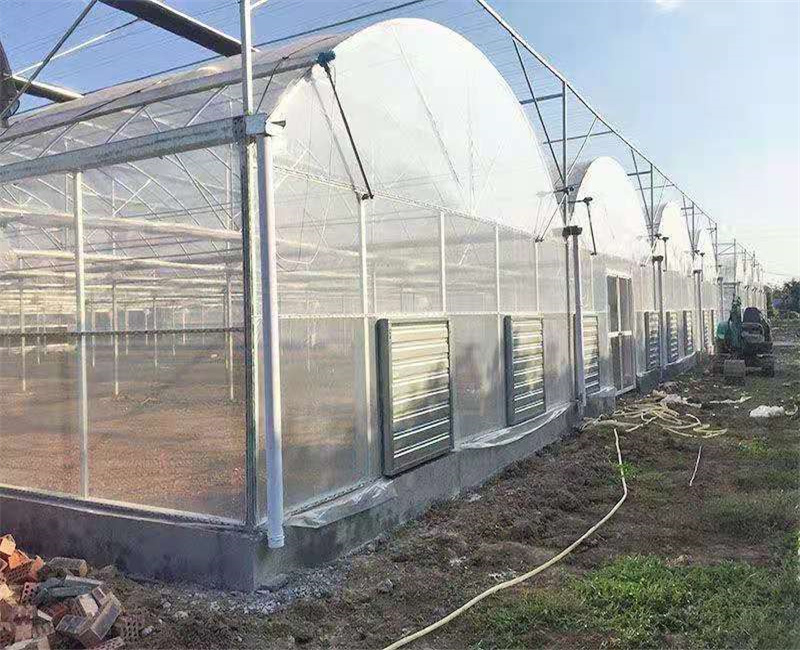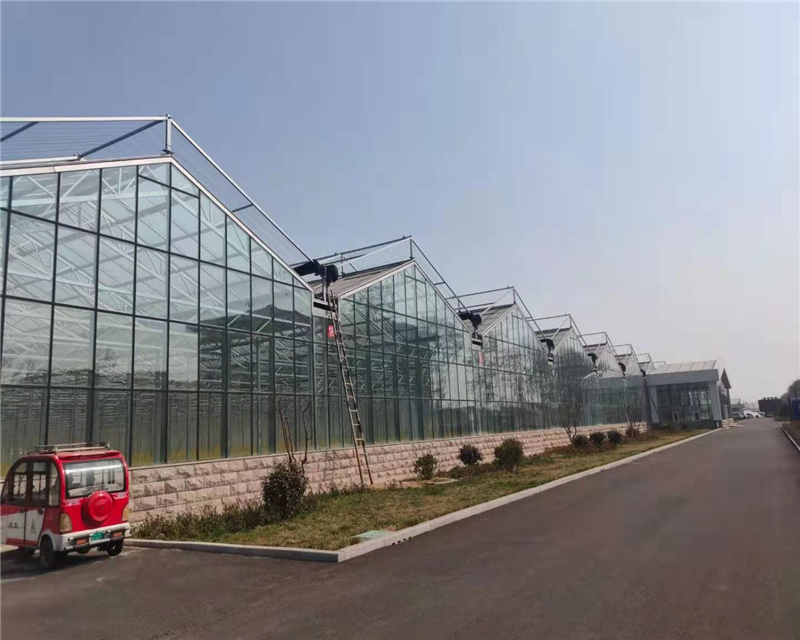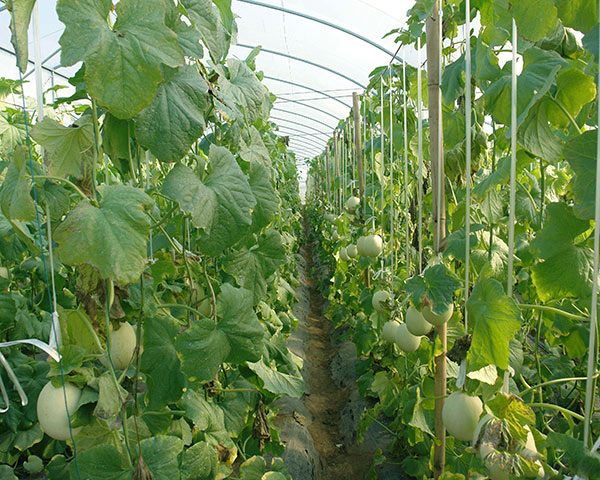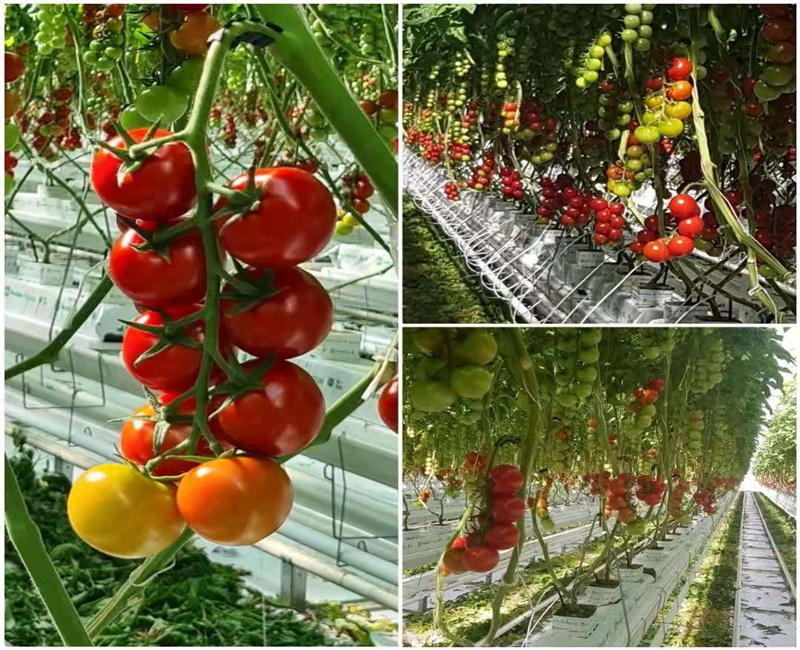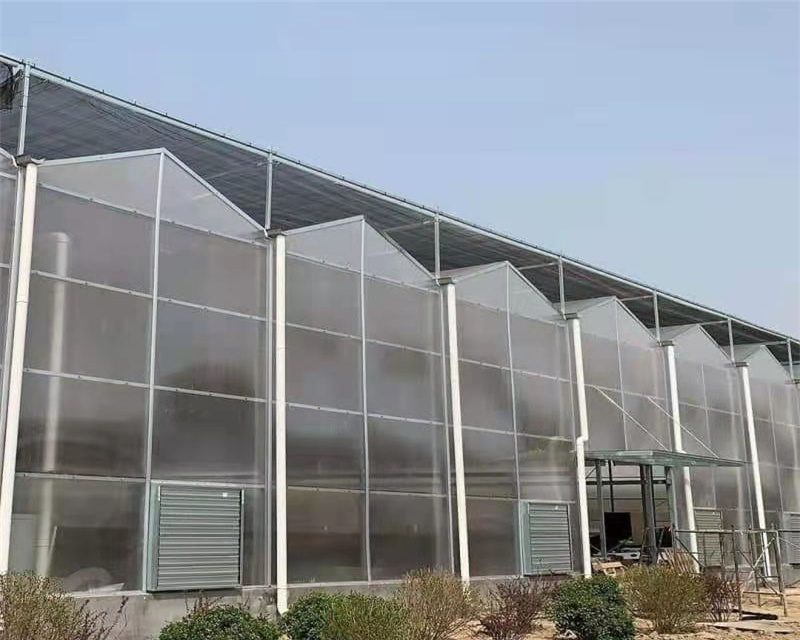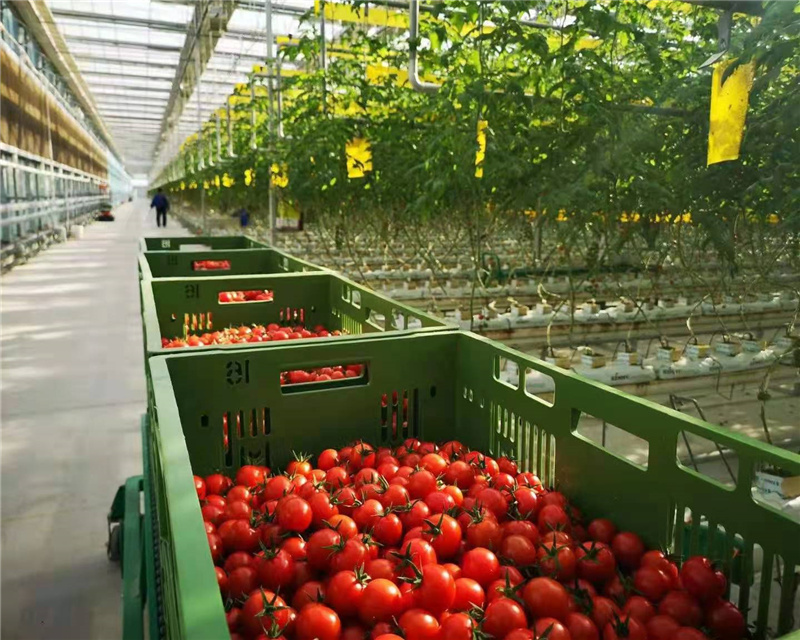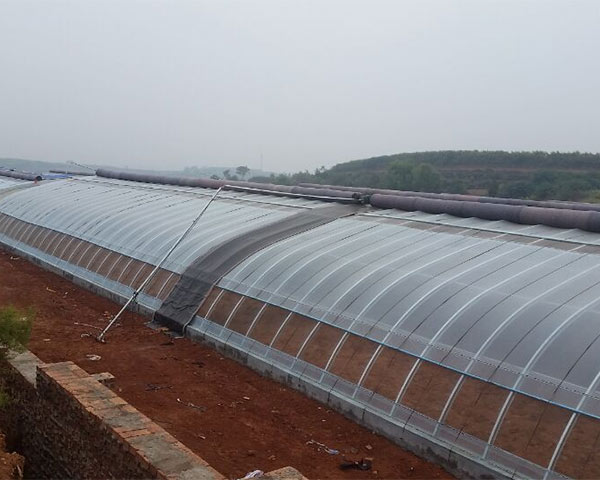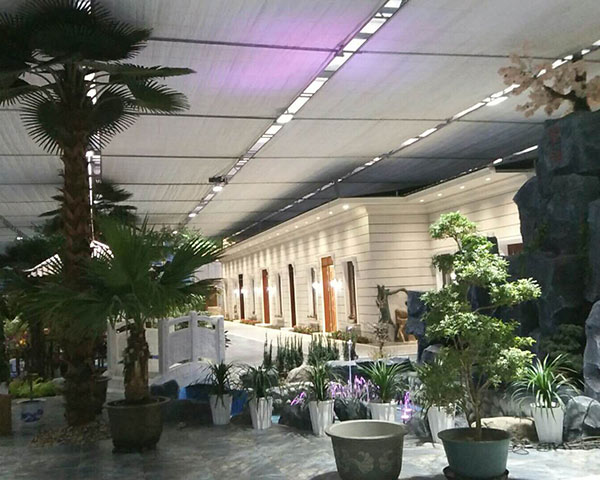
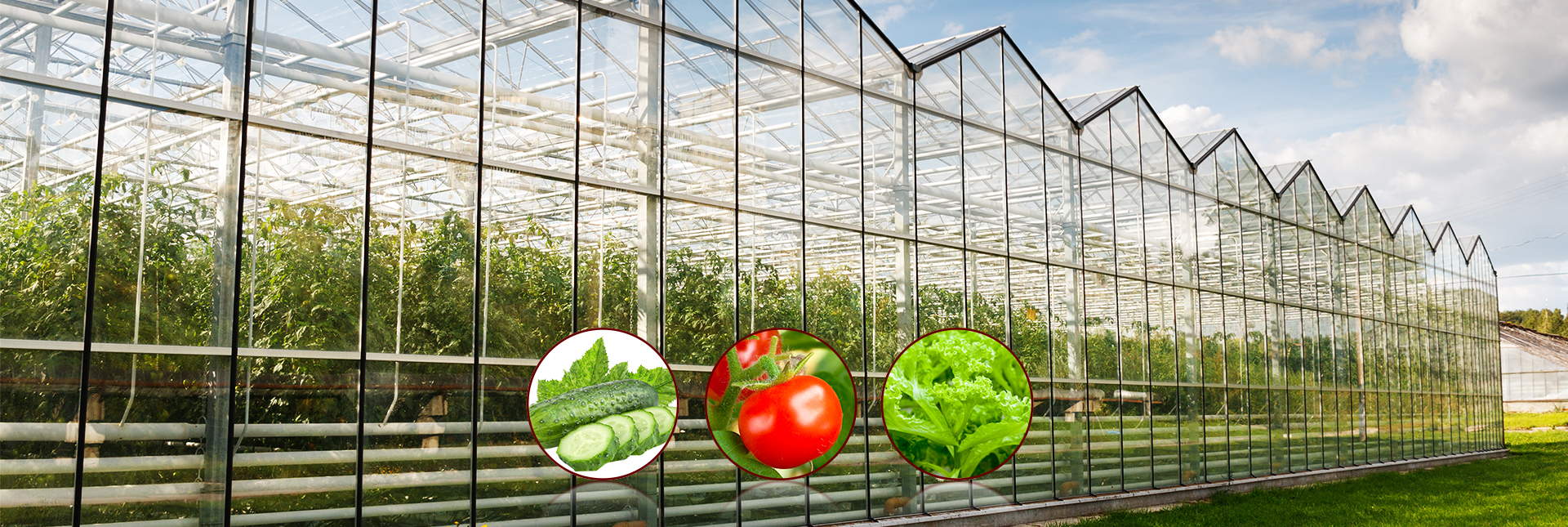
As a passionate provider of aquaponic solutions, I’m excited to share our state-of-the-art Aquaponic Greenhouse, tailored for efficient food production. This innovative system merges aquaculture and hydroponics, creating a sustainable environment that maximizes yield while minimizing resources. Based in China, we specialize in manufacturing high-quality greenhouses that cater specifically to the needs of B2B purchasers like yourself. Our design not only promotes a healthy ecosystem for fish and plants but is also adaptable for various scales, from small setups to large commercial operations. Each unit is crafted using durable materials to withstand diverse climates, ensuring longevity and efficiency. With an increasing demand for sustainable farming solutions, investing in our Aquaponic Greenhouse means joining a revolution that benefits both your business and the environment. Let’s work together to enhance your agricultural framework for a more sustainable future!
As the world becomes more conscious of sustainability and efficient food production, aquaponic greenhouses are emerging as a leading solution. This innovative integration of aquaculture and hydroponics allows for the cultivation of both fish and plants in a symbiotic environment. The current year's advancements in aquaponic greenhouse technology have made it easier than ever for global buyers to invest in sustainable agriculture systems that not only conserve water but also maximize yield. From the initial concept to the final delivery, the process of establishing an aquaponic greenhouse involves careful planning and execution. It begins with the selection of suitable plants and fish species, followed by the design of the greenhouse structure that optimizes light, temperature, and space. The latest technologies in automation and monitoring systems ensure that the intricate balance of nutrients and the health of both plants and fish are maintained with minimal effort. As demand for locally sourced, organic produce rises, aquaponic systems offer a promising avenue for businesses seeking to meet consumer needs while adhering to environmental best practices. Investing in an aquaponic greenhouse not only supports sustainable practices but also opens up new revenue streams. By providing fresh produce and fish to local markets, businesses can capitalize on the growing interest in healthy eating and eco-friendly products. Furthermore, as global supply chains face challenges, having a local source of food can attract conscientious consumers and enhance business resilience. Embrace the future of agriculture by exploring the benefits of aquaponic greenhouses and leading the charge towards a more sustainable food system.
| Phase | Duration (Weeks) | Key Activities | Expected Outcomes |
|---|---|---|---|
| Concept Development | 2 | Research and Planning | Clear Project Scope |
| Design Phase | 4 | Blueprint Creation | Finalized Design Document |
| Construction | 8 | Build Greenhouse Structure | Completed Greenhouse |
| System Installation | 3 | Install Aquaponic Systems | Fully Operational System |
| Testing and Adjustment | 2 | System Testing | Optimized Performance |
| Training and Handover | 1 | Train Staff | Documentation and Knowledge Transfer |